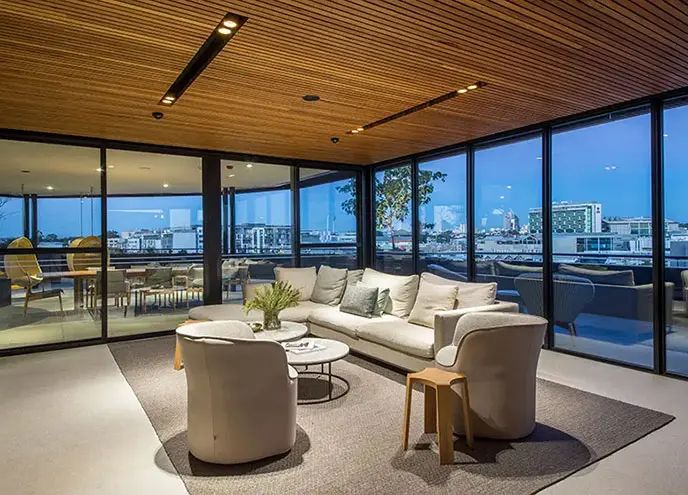
Timber battens are narrow strips or bars that are fashioned from wood, and their cross-sections are often either rectangular or square in shape. These multipurpose components are extremely important to the building process, design process, and numerous architectural applications. Cladding, screening, framing, and support are common applications for wooden battens, which can be found in both commercial and residential contexts. Because they are available in a wide range of wood species and finishes, th ey may be adapted to satisfy a wide variety of aesthetic and functional preferences.
Read this article and explore the world of timber battens, hardwood battens, hardwood timber battens and spotted gum timber battens.
Table of Contents
What are Timber Battens?
Timber battens are important because they add to design, usefulness, and sustainability in many ways. They are used as decoration, giving texture and visual interest to the outside and inside of buildings. These battens can also be used as screens or louvres to block the sun, keep things private, and let air flow. Also, their natural make-up fits with eco-friendly design principles, encouraging building practises that are good for the environment. Wooden battens are a great example of how form and function can work together, which makes them an important part of modern building and design.
What are the Types of Timber Battens?
Various aspects, including the wood species, dimensions, configuration, and intended application, influence the selection of wooden battens.
Hardwood Battens
Hardwood timber battens are made of hardwood, a type of wood that is known for being strong and durable. Most of the time, these battens are used in places where durability is important, like in outdoor buildings or places where they will get a lot of damage over time.
Spotted Gum Timber Battens
Spotted gum is a special type of wood that is distinguished by its grain pattern’s distinctive appearance and the material’s inherent resilience. Spotted gum timber battens are made from spotted gum wood and are popular due to their resistance to the effects of environmental factors as well as their aesthetically pleasing appearance.
Because each variety of timber batten possesses its own set of distinctive characteristics and visual traits, these battens are suited to various uses and aesthetic preferences in design. When picking timber battens for your project, it is important to consider several different elements, including the aesthetic you are going for, the characteristics of the surroundings, and the intended purpose of the battens.
What are the Uses of Timber Battens?
Thin strips of wood, known as timber battens, have become increasingly popular as multipurpose design components in contemporary architecture and construction. Their applications span a wide variety of business sectors and design disciplines, and the benefits they offer in particular settings are persuasive. This article investigates the various applications of timber battens, goes deeper into their usage, and focuses on the benefits they can provide in various settings.
Timber battens have a wide range of applications due to their distinct characteristics:
Cladding
Cladding is one of the most typical applications for timber battens, which is also one of its most widespread uses. They produce exterior surfaces on visually appealing and textured buildings, giving depth, warmth, and character to the façade of buildings.
Privacy Screens
Timber battens make good privacy screens or dividers because they combine privacy, airflow, and natural light. They can be used both at home and in a business setting.
Sunshades
Timber battens are used as sunshades by architects and designers to control the amount of light and warmth inside buildings. They cut down on glare and heat gain, making the room more comfortable and adding a touch of style.
Fencing
Wood battens are used for fencing, which is a nice and natural option to more traditional fencing materials. They can be put up horizontally or vertically, giving you many style options.
Support and Framing
In the building industry, timber battens are important as structural supports or framing components. They provide the structures and fittings with a stable foundation.
Advantages of Timber Battens
Choosing wood battens has several clear benefits:
Natural Aesthetics
Timber battens give a room a warm and inviting look and feel. They connect indoor and outdoor areas and bring nature inside.
Sustainability
Timber is a natural resource that can be found in an environmentally friendly manner. Timber battens follow eco-friendly design rules, making them a good choice for the earth.
Customisation
Timber battens come in different sizes, shapes, and finishes, so designers and builders can change how they look to meet different design and functional needs.
Durability
Depending on the type of wood and how it is treated, wooden battens can be very strong and resistant to rot and decay, lasting a long time.
Thermal and Acoustic Properties
Timber battens help buildings be more comfortable and use less energy by improving their thermal and acoustic protection.
Ease of Maintenance
Timber battens are easy to take care of. They just need to be cleaned every so often and, in some cases, resealed or refinished. This cuts down on long-term maintenance costs.
In Summary
Battens made of lumber have become major design components in contemporary applications, transcending their previous roles. They have been elevated to the status of important assets in architecture, building, and design due to their adaptability, natural beauty, and capacity for continued use in various settings. Timber battens continue to prove their worth as technology and design trends advance. They offer a harmonious blend of beauty and utility, making them a desirable building material.